Selling a home in 2026 is likely to look different than it did even a couple of years ago. Market conditions have been shifting—rates, inventory, buyer demand, and economic confidence all play key roles. While there’s no one-size-fits-all timeline, you can set realistic expectations by understanding the major forces at work right now. Rather than pinning hopes on a specific number of days, think in terms of ranges and what influences them.
Location
First, location remains the biggest driver of how fast your home moves. In high-demand metro areas or desirable suburbs, homes that are fixed up, priced right, and staged well can attract offers within 1–3 weeks. In more rural or slower markets, it’s common for listings to sit for 30–60 days before serious interest builds. If your neighborhood already sees multiple offers on new listings, that’s a strong signal you could sell quickly. If homes tend to stay listed for months, plan accordingly.
Price
Pricing your home realistically is the clearest lever you control. Overpricing is the single biggest reason homes sit on the market. In 2026, savvy buyers and agents have access to real-time comps and aren’t hesitant to skip overpriced listings. A competitive price that reflects local recent sales and current condition can bring pre-emptive offers and multiple showings in the first week. Conversely, a price that’s above market can extend your timeline by weeks or months, even if offers eventually arrive.
Repairs
Your home’s condition and presentation matter more than ever. Buyers in 2026 are increasingly discerning; many tour homes virtually first and make decisions based on photos and video. Homes that are de-cluttered, deep-cleaned, repaired, and professionally photographed tend to generate faster interest. Simple upgrades—fresh paint, light fixtures, landscaping—can reduce hesitation and help your home sell closer to that 2–4 week sweet spot.
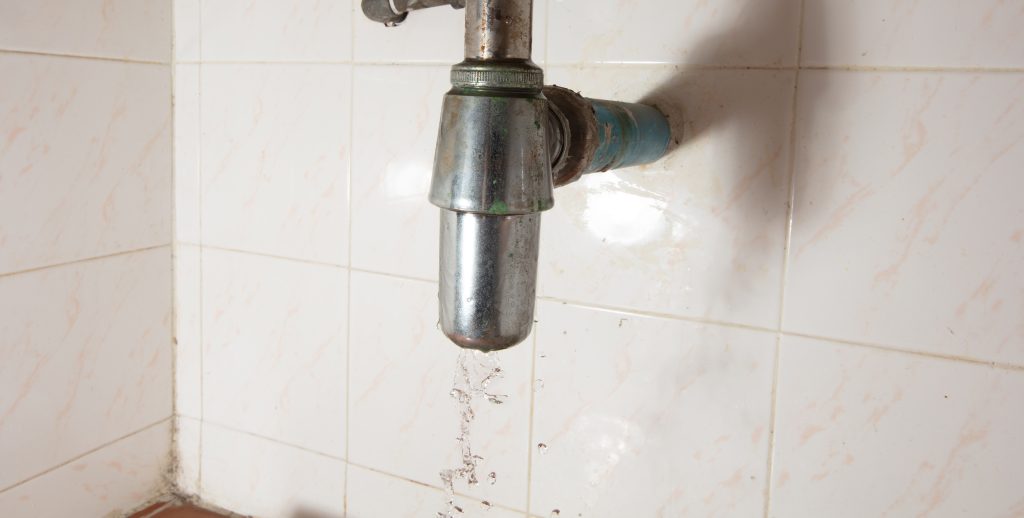
If you don’t want to or don’t have the resources to make the repairs, selling to a cash home buyer is a good option. Cash home buyers will pay cash for your house and close fast. Cash home buyers buy your home in as-is condition. That means you do not have to make any repairs. Cash home buyers can also be more flexible on a closing date and moving date, if you would like to close quickly. Here is our blog about What is My House Worth if I Sell it in As-Is Condition?
Interest Rates
External conditions—like interest rates and buyer confidence—also influence speed. If mortgage rates are stable or trending down, more buyers are able to qualify and make offers quickly. If rates spike or economic uncertainty grows, buyers tend to slow down and become more selective, lengthening the average time on market. Keep an eye on broader economic signals as you prepare to list. Here is an article about How Do Mortgage Interest Rates Effect the Home Selling Market?
Ultimately, “how quickly” is less about magic and more about preparation and realism. A home priced right, presented well, and in a market with active buyers can sell in a few weeks. If your pricing is ambitious or your market is slower, 1–3 months is a reasonable expectation in many areas. Start by consulting a local agent for a comparative market analysis—this will give you the most accurate timeline projection based on where you’re selling and what’s happening right now.